
The First Customer Was Never About the Sale

Founders have always known that getting the first customer requires uncomfortable, unscalable manual work. AI now lets you skip that work, and many founders are. The problem is that the discomfort was never the obstacle; it was the education.
Same Pressure. Four Outcomes. One Question That Matters.
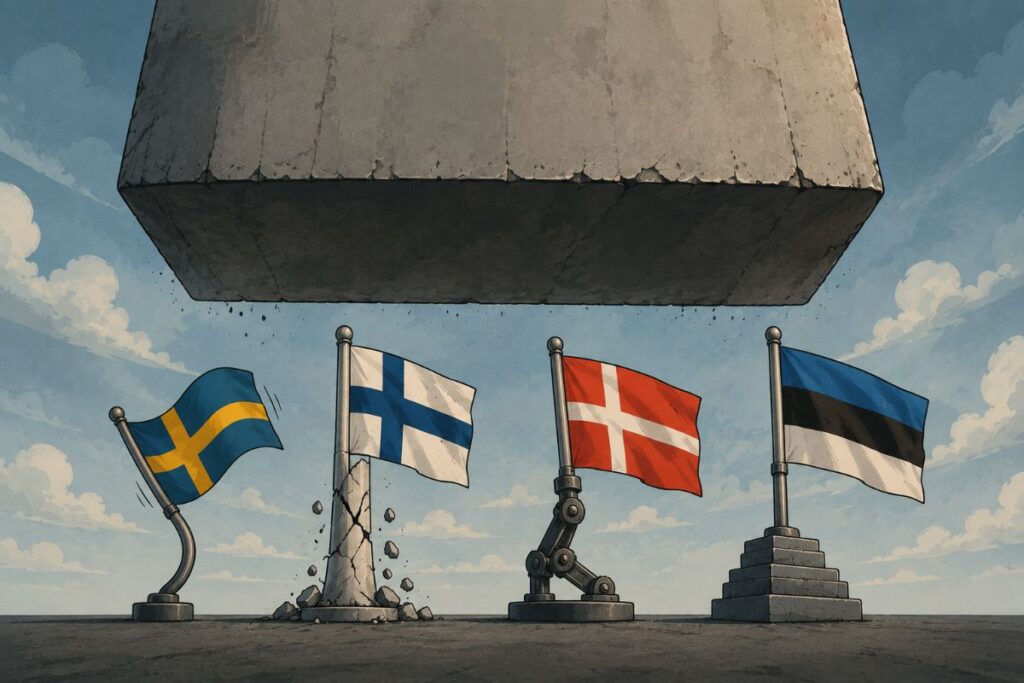
The Nordic welfare state debate isn’t about ideology. It’s about whether reform actually sticks.
The Companies That Change Industries Don’t Beat the Leader at Their Own Game

Cerebras didn’t try to out-Nvidia Nvidia. They built something nobody else would touch, held the position for seven years with no traction, and were ready when the market finally caught up. The IPO wasn’t a sudden arrival. It was the visible end of a very long bet.
The Product Gets You to the Table. Distribution Decides Everything Else.

Allison Ellsworth built a $1.95B exit not by having the best product, but by understanding that every great product has a ceiling — and deliberately finding the partners who could break it.
15 May 2026
You Chose This. That Doesn’t Mean You Have to Carry It Alone

The world’s most demanding employers are starting to treat mental health as infrastructure. Finland is next.
What Are You Actually Optimising For?

Most people pick a strategy before answering the only question that matters.
The Only Thing That Separates Legends From Quitters
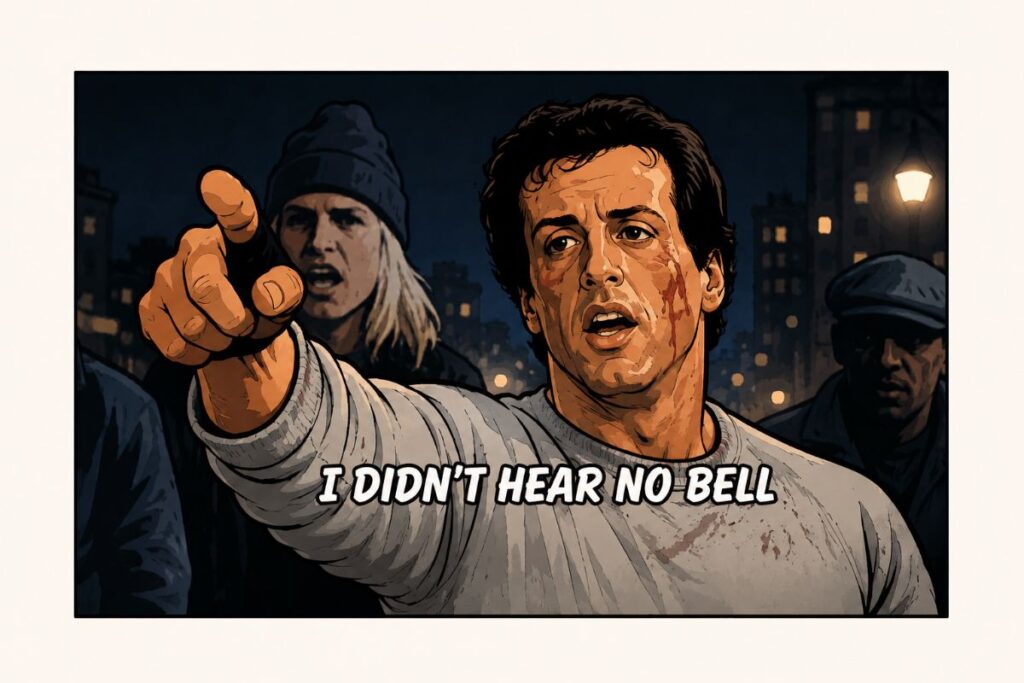
Most people stop one attempt too early. Here is what four legendary failures say about that.
Internships after a $500 million exit?
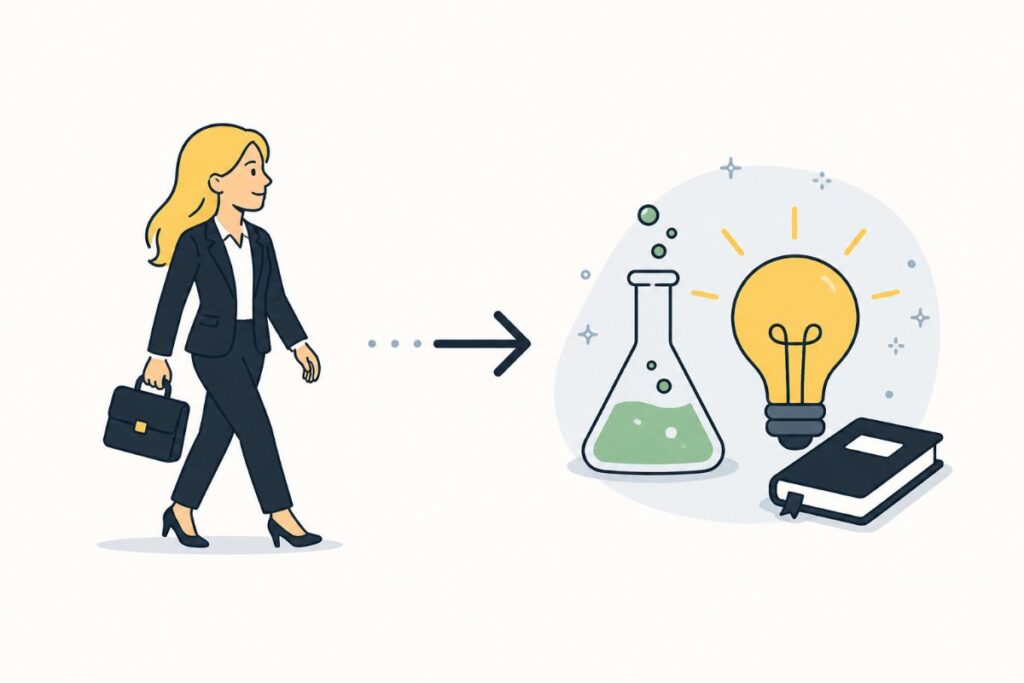
Julia Hartz sold Eventbrite for $500 million and is now eyeing internships. When you have nothing left to prove, curiosity is the only honest answer to what comes next.
The Hardest Market to Sell Into — And Why That’s the Point
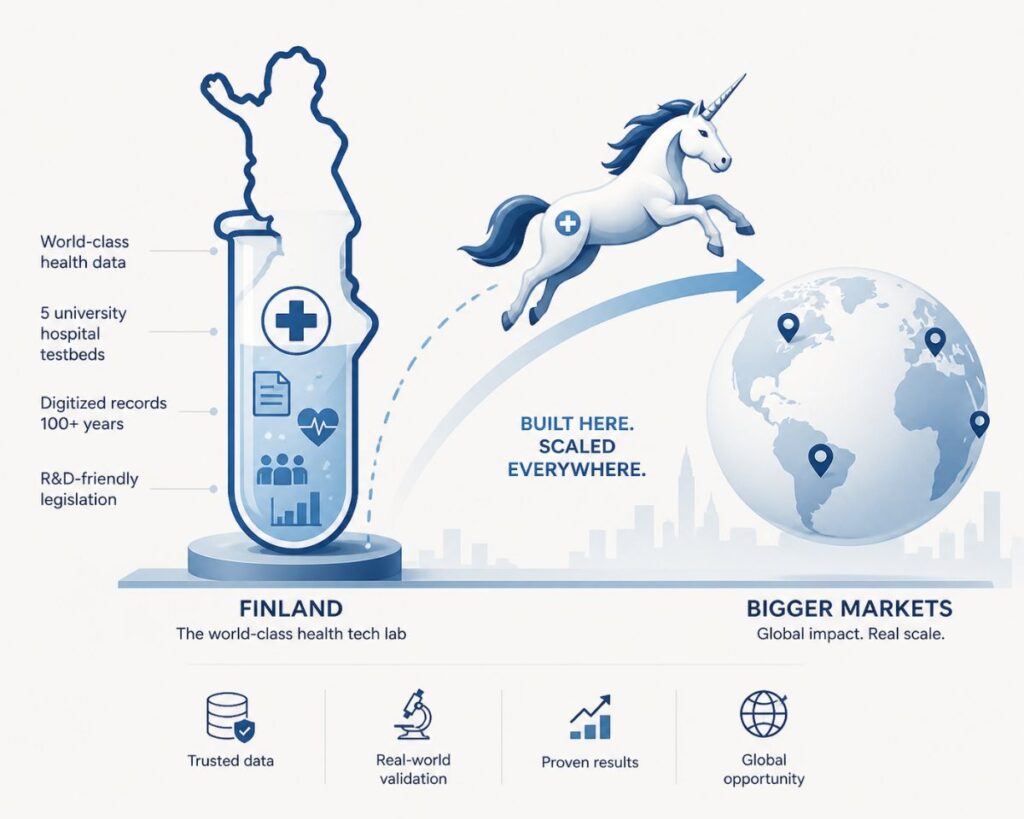
Finland has world-class health data and a system that won’t let private companies sell into it. The smart play: use the data to build, validate locally, sell globally.
NATO Changed Finland’s Security. It Also Created a New Market.

Finland joined NATO in 2023. Defense spending is heading to 3% of GDP by 2029. A market that was effectively closed to startups — procurement, contracts, NATO networks, is now open, and the dual-use companies moving first are already seeing 30–40% revenue growth.